1. Why Go Natural? The Case for Vinegar in Household Cleaning
When you hear “natural cleaning,” the image of a green warehouse stocked with chemical‑free products often comes to mind. Yet the most potent, inexpensive, and safest household cleaning agent is right in your pantry: vinegar.
- Eco‑friendly – 100 % biodegradable, no hazardous residues.
- Economical – A one‑liter bottle of white vinegar costs under $3 and can replace dozens of specialty cleaners.
- Versatile – Works on glass, tile, stainless steel, wood, and even laundry.
The German phrase Natürliche Hausmittel zur Reinigung captures exactly this: natural household remedies for cleaning. In this beginner guide, we’ll unpack the fundamentals, share real‑world recipes, and compare vinegar with mainstream chemicals.
---
2. Fundamentals & Core Concepts of Vinegar Cleaning
2.1 What Makes Vinegar a Cleaning Powerhouse?
Vinegar is a dilute solution of acetic acid (typically 5 % by volume). Its acidity breaks down mineral deposits, dissolves grease, and kills many bacteria and fungi.
- Acidity: The low pH (around 2–3) dissolves grime.
- Surfactant effect: Water in vinegar lowers surface tension, allowing it to cling to surfaces.
- Odor neutralization: The acetic acid reacts with odor molecules, turning them into harmless by‑products.
2.2 Types of Vinegar & Their Cleaning Strength
| Vinegar Type | Acidity | Ideal Uses | Flavor Notes |
|---|---|---|---|
| White (Distilled) | 5 % | All‑purpose, glass, stainless, tiles | Neutral |
| Apple Cider | 5 % | Deodorizing, wood surfaces, laundry | Sweet, fruity |
| Balsamic | 6‑9 % | Disinfecting, oil removal | Rich, complex |
| Wine | 5‑8 % | De‑staining, removing mold | Fruity, sometimes tart |
| Rice | 5 % | Soft‑water stains, gentle on wood | Mild, subtle |
Tip: Always use the lightest acid for delicate surfaces. For heavy grime, a stronger acid (e.g., white vinegar) works best.
---
3. Practical Applications: How to Use Vinegar in Every Room
3.1 Kitchen
| Surface | Mixing Ratio | Method | Result |
|---|---|---|---|
| Countertops (non‑porous) | 1 :1 water : vinegar | Spray & wipe | Grease & residue removed |
| Cutting boards (wood) | 1 :1 water : vinegar | Soak for 5 min | Sanitized, odor‑free |
| Stainless steel appliances | 1 :2 vinegar : water | Wipe with microfiber | Sparkle, streaks eliminated |
| Oven (self‑clean) | 1 :1 vinegar : hot water | Pre‑heat + spray | Grease loosened, easy wipe |
3.2 Bathroom
- Showerheads & faucets: Fill a plastic bag with vinegar, tie, and hang to dissolve mineral buildup.
- Grout: Mix vinegar with baking soda into a paste, apply, let bubble for 15 min, scrub.
- Mirrors: Spray 1 :1 vinegar : water, wipe with a paper towel for streak‑free glass.
3.3 Living Spaces
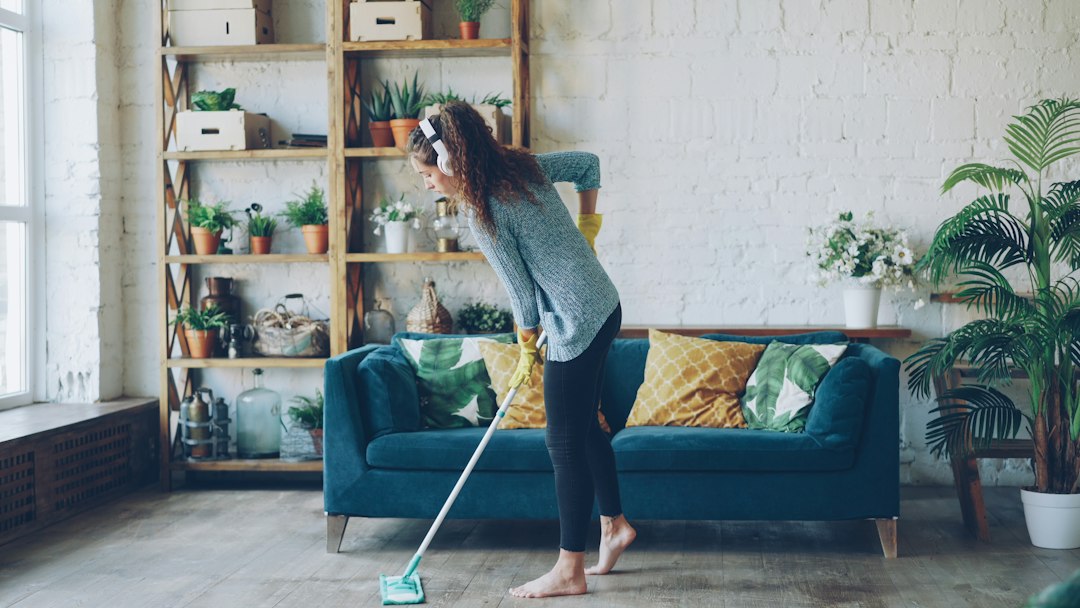
- Floors: For tile or laminate, mop with a 1 :10 vinegar : water solution; for hardwood, use a 1 :50 ratio and avoid soaking.
- Dusting: Create a “dust spray” by diluting vinegar with water and adding a few drops of essential oil (lavender or lemon) for fragrance.
- Pet Odors: Spot‑clean litter areas or fur stains with a diluted vinegar solution; rinse with water.