Why Vinegar Remains the Cornerstone of Natural Home Cleaning
Vinegar has been a household cleaning staple for centuries, and for good reason. Its primary active ingredient—acetic acid—breaks down mineral deposits, cuts through grease, deodorizes surfaces, and fights a surprisingly wide range of common household bacteria and molds. When you explore the world of Natürliche Hausmittel zur Reinigung, vinegar consistently ranks at the top because it is inexpensive, widely available, non-toxic when used correctly, and effective on an impressive array of surfaces.
But effectiveness alone does not guarantee safety. The same chemical properties that make vinegar such a powerful cleaner also mean it can cause real damage if you treat every surface the same way. Understanding Essig safety precautions is the difference between a sparkling, chemical-free home and a costly mistake involving ruined countertops, corroded fixtures, or even dangerous chemical reactions. This guide will walk you through exactly how to use vinegar safely, what to avoid, and how to maximize its cleaning power while protecting your home and your health.
The Chemistry Behind Vinegar's Cleaning Power
White distilled vinegar typically contains between 5 and 8 percent acetic acid, with the remainder being water. Acetic acid is a weak organic acid, but its acidity is exactly what gives vinegar its cleaning ability. It dissolves alkaline deposits like hard water scale, soap scum, and mineral buildup. It also disrupts the cell membranes of many common household microbes, which is why diluted vinegar solutions have been shown to kill or inhibit organisms like E. coli and Salmonella on hard, non-porous surfaces.
However, acids are not neutral toward all materials. The very property that makes vinegar excellent at dissolving mineral buildup is what makes it destructive to calcium carbonate-based surfaces like marble, limestone, and granite. Recognizing this distinction is the single most important safety precaution you can take.
Surfaces You Should Clean With Vinegar
When used correctly, vinegar is remarkably versatile. Here are the surfaces and situations where it excels and where your Essig safety precautions will pay off with excellent results.
- Glass and mirrors: A 1:1 mixture of vinegar and water leaves streak-free shine without the harmful volatile organic compounds found in many commercial glass cleaners.
- Tile and ceramic: Vinegar cuts through soap scum and mildew in showers and kitchen backsplashes effectively and affordably.
- Stainless steel appliances: Diluted vinegar removes fingerprints and water spots when wiped in the direction of the grain.
- Microwave interiors: A bowl of equal parts vinegar and water heated for two minutes loosens baked-on food and deodorizes the cavity.
- Drain deodorizing: Pouring a half-cup of baking soda followed by a half-cup of vinegar down a drain creates a fizzing reaction that helps dislodge minor buildup and freshen pipes.
- Laundry booster: Adding half a cup of vinegar to the rinse cycle softens fabrics, removes detergent residue, and eliminates odors without leaving a vinegar smell behind.
The common thread across all these applications is dilution and surface compatibility. Even on safe surfaces, using full-strength vinegar is almost never necessary and often counterproductive.
Proper Dilution Ratios for Different Cleaning Tasks
| Cleaning Task | Vinegar-to-Water Ratio | Best Application Method | Frequency |
|---|---|---|---|
| All-purpose counter cleaning | 1 part vinegar to 1 part water | Spray bottle, wipe with microfiber cloth | Daily |
| Glass and mirror cleaning | 1 part vinegar to 3 parts water | Spray bottle, lint-free cloth | Weekly |
| Shower and tile scrubbing | 1 part vinegar to 1 part water, optionally undiluted for heavy buildup | Spray bottle, let sit 10 minutes, scrub | Weekly |
| Appliance polishing | 1 part vinegar to 2 parts water | Damp cloth, buff dry | Weekly |
| Descaling kettles and coffee makers | Full-strength white vinegar | Fill reservoir, run cycle, rinse thoroughly | Monthly |
| Floor mopping (vinyl, linoleum) | ½ cup vinegar per gallon of warm water | Mop, allow to air dry | Weekly |
| Drain deodorizing | ½ cup baking soda followed by ½ cup vinegar | Pour sequentially, wait 15 minutes, flush with hot water | Biweekly |
| Hard water stain removal | Full-strength or near full-strength vinegar | Soak cloth, wrap around fixture, leave 30 minutes | As needed |
These ratios represent a balance between cleaning efficacy and surface safety. Deviating significantly toward higher concentrations increases risk without a proportional increase in cleaning performance for most routine tasks.
Surfaces You Should Never Clean With Vinegar
This section addresses the most critical aspect of Essig safety precautions: knowing what vinegar will harm. The damage caused by vinegar on incompatible surfaces is often gradual and cumulative, meaning you may not notice the problem until significant and expensive damage has occurred.
- Natural stone countertops and floors: Marble, granite, travertine, limestone, and slate all contain calcium carbonate. Vinegar etches these surfaces, leaving dull, rough patches that cannot be reversed without professional refinishing. Wipe spills immediately and clean these surfaces with a pH-neutral cleaner specifically formulated for stone.
- Hardwood floors: While a heavily diluted vinegar solution is sometimes recommended for sealed hardwood, most flooring manufacturers advise against it. Over time, the acid breaks down the protective finish, leading to cloudiness, dulling, and eventual warping. Use a hardwood-floor-specific cleaner instead.
- Waxed surfaces: Vinegar strips wax. Any floor, furniture, or countertop with a wax finish will lose its protective coating if cleaned with vinegar.
- Electronic screens: The acidic solution can damage the anti-glare and protective coatings on televisions, computer monitors, tablets, and smartphones. Use a cleaner specifically designed for screens.
- Unsealed grout: Vinegar can degrade unsealed grout over repeated use, weakening the bond between tiles. Seal grout lines regularly and consider alternative cleaners for grout maintenance.
- Aluminum and cast iron cookware: Acetic acid reacts with aluminum, causing discoloration and pitting. It can also strip the seasoned layer from cast iron.
- Some rubber components: Prolonged exposure to vinegar can degrade certain rubber seals and gaskets in appliances like washing machines and dishwashers. Rinse affected areas with water after cleaning.
Recognizing these incompatibilities is the foundation of safe vinegar cleaning. When in doubt, test a small, inconspicuous area first and observe for any discoloration or texture change over several hours.
Chemical Mixing Dangers That Can Be Life-Threatening
Perhaps the most serious category of Essig safety precautions involves chemical mixing. Combining vinegar with certain common household products creates toxic gases that pose immediate health risks and can be fatal in enclosed spaces.
Vinegar and Bleach
This is the most dangerous and most common mistake. Mixing vinegar (acetic acid) with bleach (sodium hypochlorite) produces chlorine gas, a yellow-green gas with a pungent odor that was used as a chemical weapon in World War I. Inhalation causes coughing, choking, difficulty breathing, chest pain, and in severe cases, pulmonary edema and death. Even small amounts mixed in an enclosed bathroom can create dangerous concentrations. Under no circumstances should these two products ever be combined, and you should never apply vinegar to a surface that has recently been cleaned with bleach or vice versa without thoroughly rinsing the surface first.
Vinegar and Hydrogen Peroxide
Many natural cleaning advocates recommend storing hydrogen peroxide and vinegar in adjacent spray bottles and using them sequentially for a powerful disinfecting solution. While this approach circulates widely online, mixing them in the same container creates peracetic acid, a corrosive substance that can irritate the skin, eyes, and respiratory tract. If you choose to use both, apply one, rinse or wipe the surface thoroughly, and then apply the other—but never mix them together.
Vinegar and Ammonia
Combining vinegar with ammonia produces ammonium acetate along with heat and potentially irritating fumes. While not as immediately catastrophic as the chlorine gas reaction, the fumes can still cause significant respiratory irritation, eye damage, and nausea. Avoid this combination entirely.
General Mixing Rule
The safest approach is to use vinegar alone, diluted in water, for the vast majority of household cleaning tasks. If you need a different cleaner for a specific job, use a product formulated for that purpose rather than attempting DIY combinations with bleach, ammonia, or hydrogen peroxide.
Ventilation and Personal Protection While Using Vinegar
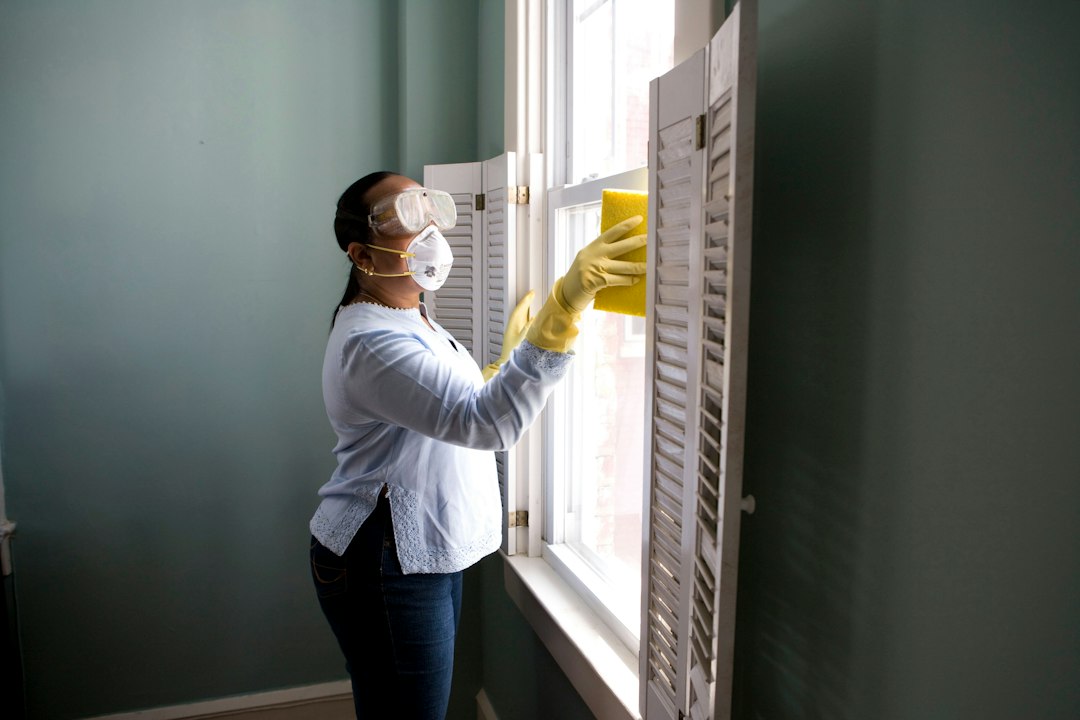
Even when used on compatible surfaces, vinegar releases acetic acid vapors that can irritate mucous membranes. Proper ventilation and personal protection are essential components of Essig safety precautions, particularly during extended cleaning sessions or when using higher concentrations.
Ensuring Adequate Ventilation
Always open windows and turn on exhaust fans when cleaning with vinegar, especially in small, enclosed spaces like bathrooms and laundry rooms. Good airflow dissipates acetic acid fumes quickly and reduces the risk of respiratory irritation. If your space lacks windows or ventilation fans, consider cleaning in shorter sessions with frequent breaks in fresh air.
Protective Gear Recommendations
- Rubber or nitrile gloves: Wear gloves during extended cleaning to protect your skin from prolonged acid exposure, which can cause dryness, cracking, and dermatitis. Nitrile gloves are preferable because they resist chemical degradation better than latex.
- Eye protection: When working with concentrated vinegar solutions or in situations where splashing is likely—such as descaling a coffee maker—protect your eyes with safety glasses or goggles.
- Respiratory awareness: If you have asthma, chronic bronchitis, or other respiratory conditions, you may be more sensitive to acetic acid fumes. Use the lowest effective concentration, ensure maximum ventilation, and consider wearing a respirator rated for organic vapors during heavy-duty cleaning tasks.
- Clothing protection: Wear old clothing or an apron, as prolonged exposure to vinegar can eventually fade or damage certain fabrics.
First Aid for Vinegar Exposure
If vinegar gets into your eyes, rinse immediately with cool running water for at least 15 minutes and seek medical attention if irritation persists. If you ingest a large amount of undiluted vinegar, drink water or milk to dilute it and contact poison control. Skin irritation from prolonged exposure should be washed thoroughly with soap and water, and a moisturizing lotion applied afterward.
Safe Storage and Child Pet Considerations
Proper storage and awareness of household vulnerabilities are often overlooked aspects of Essig safety precautions. Vinegar is far safer than conventional chemical cleaners, but it is not entirely harmless, particularly to children and pets.
Storage Best Practices
Store vinegar in its original container or in clearly labeled, child-resistant spray bottles. Never transfer vinegar to containers that resemble beverage bottles, food jars, or cleaning products your children or pets might recognize. Keep all cleaning supplies in a locked or high cabinet whenever possible, even though vinegar is relatively low-risk compared to commercial alternatives.
Risks to Children and Pets
While a small spill of diluted vinegar is unlikely to cause serious harm, ingesting full-strength vinegar can irritate the esophagus and stomach lining. Pets, particularly small dogs and cats, are especially vulnerable to gastrointestinal upset from ingesting cleaning solutions. Keep spray bottles out of reach, clean up spills immediately, and store rags and sponges used with vinegar in sealed containers so pets cannot chew on them.
Disposal Guidelines
Diluted vinegar solutions can safely be poured down the drain with plenty of water. Full-strength vinegar should also be disposed of down the drain rather than in storm drains or gardens, where the acidity could affect soil and plant life. Avoid pouring large quantities of concentrated vinegar into septic systems, as it can disrupt the bacterial balance that keeps septic systems functioning properly.
Troubleshooting Common Vinegar Cleaning Problems
Even with proper precautions, things can go wrong. Understanding how to troubleshoot common issues will help you recover from mistakes and optimize your Natürliche Hausmittel zur Reinigung practice.
Vinegar Left a Stain or Dull Patch on My Countertop
If you accidentally used vinegar on a natural stone surface, the damage is typically etching—a chemical change in the stone's surface that cannot be removed by cleaning. Light etching may be buffed out with a stone-safe polishing powder, but severe etching requires professional stone restoration. Prevention is the only reliable strategy: keep a dedicated stone-safe cleaner separate from your vinegar supplies and label it clearly.
The Vinegar Smell Lingers After Cleaning
Acetic acid fumes dissipate naturally, but they can linger in poorly ventilated spaces. Open windows, run a fan, and allow additional air circulation. For persistent odors, wipe the cleaned surface with a plain water-dampened cloth and allow it to air dry. The vinegar smell will fade completely within a few hours in a well-ventilated environment.
Vinegar Didn't Remove the Stain or Buildup
Full-strength vinegar is not always the answer, and increasing concentration does not always increase effectiveness. For tough hard water deposits, try soaking a cloth in vinegar and wrapping it around the affected area for 30 minutes rather than spraying and wiping. For grease, pre-treat with a paste of baking soda and water before applying your vinegar solution. For biological growth like mold, vinegar helps on non-porous surfaces, but porous materials may require professional remediation.
Cleaning Solution Crystallized or Left Residue
If you notice white residue after using vinegar, you may have used too high a concentration or failed to rinse adequately. Wipe the surface again with a clean, water-dampened cloth and dry thoroughly. This residue is typically dissolved minerals from the vinegar or from hard water being redeposited on the surface.
Making the Most of Vinegar While Staying Safe
Using vinegar as a natural cleaning agent is one of the simplest and most effective ways to reduce your household's exposure to harsh synthetic chemicals. The key to doing so safely lies in three principles: dilution, compatibility awareness, and ventilation. When you respect vinegar's acidity and understand which surfaces and combinations to avoid, you gain a powerful, affordable, and environmentally responsible cleaning tool that can handle the vast majority of your household maintenance needs.
Essig safety precautions are not about fear—they are about informed confidence. By following the guidelines in this article, you can clean your home effectively with vinegar while protecting your surfaces, your health, and your household. Start with the dilution ratios provided, keep your spraying bottles clearly labeled and stored safely, never mix vinegar with bleach or ammonia, and always ensure good ventilation. With these habits in place, natural cleaning with vinegar becomes not just safe but remarkably rewarding.