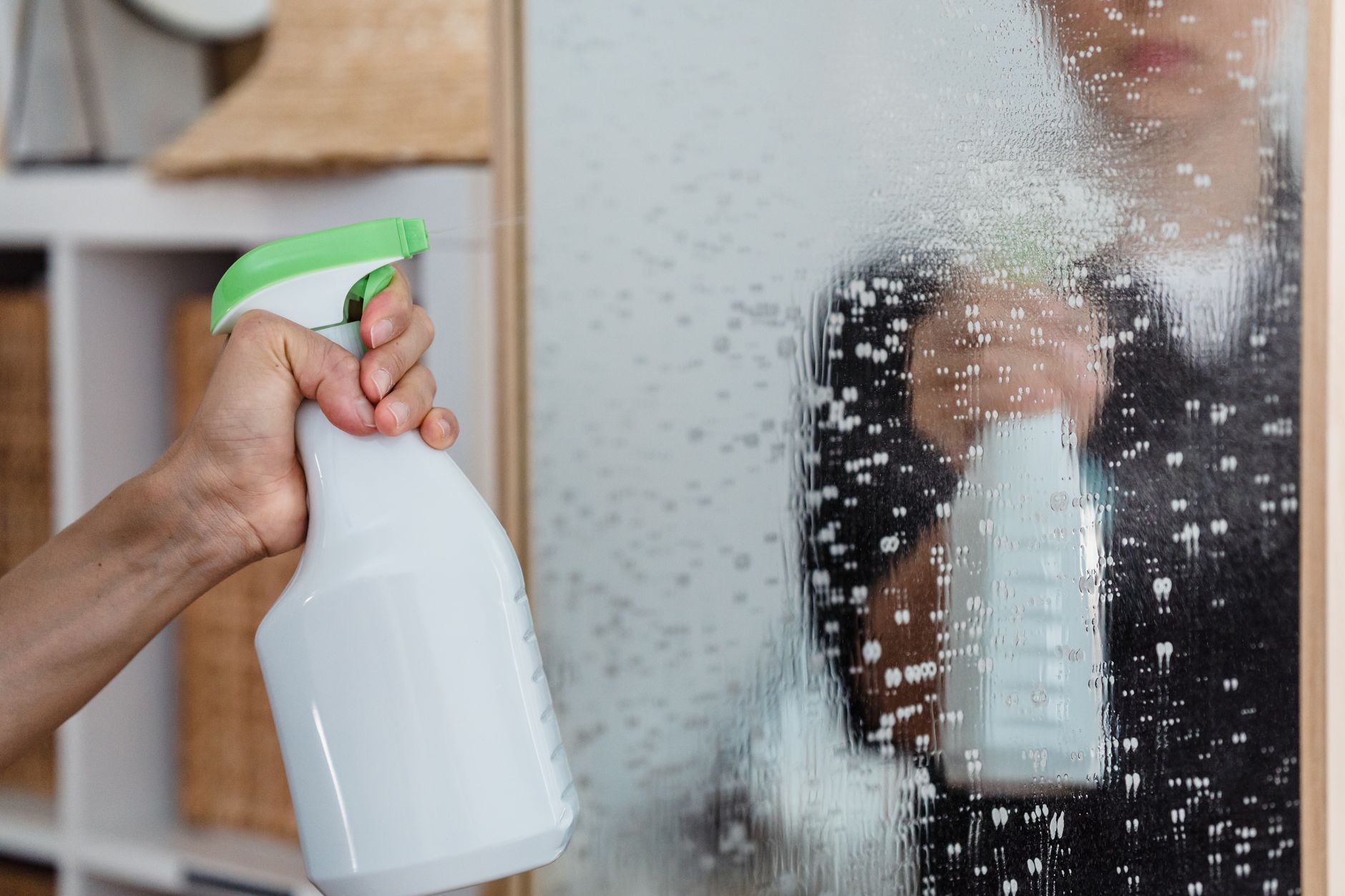
Understanding Vinegar as a Natural Cleaning Agent
Vinegar has served humanity as a cleaning and preservation agent for over 3,000 years. The ancient Babylonians, Greeks, and Romans all recognized its deodorizing and antibacterial properties long before modern chemistry provided the vocabulary to explain them. At its core, vinegar is a dilute solution of acetic acid produced through the fermentation of ethanol by acetic acid bacteria, primarily strains of Acetobacter. When applied to household cleaning, this acidic solution disrupts the cell membranes of bacteria, dissolves mineral deposits, breaks down organic matter, and neutralizes alkaline odors.
The term "Natürliche Hausmittel zur Reinigung: Essig" translates directly to "natural home remedies for cleaning: vinegar," capturing the growing consumer shift toward non-toxic, environmentally sustainable household products. This guide provides the technical specifications that separate vinegar from a simple pantry staple and establish it as a scientifically backed cleaning agent with measurable, repeatable results.
Technical Composition and Chemical Properties
The cleaning power of vinegar derives entirely from its acetic acid content and accompanying trace compounds. Understanding these specifications ensures you select the right vinegar for each cleaning application and avoid common misconceptions.
Acetic Acid Concentration Levels
| Vinegar Type | Acetic Acid Concentration | pH Level | Best Cleaning Application |
|---|---|---|---|
| White Distilled Vinegar | 4-8% | 2.4-3.4 | General purpose cleaning, disinfecting, descaling |
| Cleaning Vinegar (Commercial) | 6-10% | 2.1-2.6 | Heavy-duty scale removal, grease cutting, bathroom cleaning |
| Apple Cider Vinegar | 4-6% | 3.1-3.7 | Gentle cleaning, deodorizing, wood polishing |
| Malt Vinegar | 4-6% | 3.0-3.5 | Light surface cleaning, stain treatment |
| Balsamic Vinegar | 4-6% | 3.5-4.0 | Not recommended for cleaning (staining risk) |
| Rice Vinegar | 2-4% | 3.8-4.5 | Delicate surface cleaning, glass wiping |
The Science of Acetic Acid in Cleaning
Acetic acid (CH₃COOH) is a weak organic acid that fully dissociates in aqueous solution to release hydrogen ions (H⁺). These hydrogen ions are the primary agents of microbial disruption. When acetic acid contacts bacterial cell walls, it penetrates the lipid bilayer and lowers the internal pH of the cell, interfering with enzymatic activity and ultimately causing cell death. Studies have demonstrated that a 5-6% acetic acid solution achieves a 99.6% reduction in common household bacteria including Escherichia coli, Staphylococcus aureus, and Salmonella enterica when given adequate contact time.
The pH range of 2.1 to 4.5 across different vinegar types also means vinegar is effective against alkaline soils such as hard water deposits, soap scum, and mineral buildup. The acid-base neutralization reaction converts insoluble calcium carbonate deposits into soluble calcium acetate, which rinses away cleanly.
Trace Components That Enhance Cleaning Performance
Beyond acetic acid, vinegar contains several compounds that contribute to its cleaning profile:
- Water (92-96%): The solvent that carries acetic acid into microscopic surface textures
- Tannins: Antioxidant polyphenols with mild antimicrobial properties
- Ethyl acetate: A volatile organic compound that enhances degreasing
- Trace minerals: Varying amounts of potassium, sodium, and calcium depending on the source material
- Methanol (trace): Present in very small amounts in some fermentation processes
Surface Compatibility: Where Vinegar Excels and Where It Fails
One of the most critical technical specifications for any cleaning agent is its interaction with different materials. Vinegar is not universally compatible, and misapplication can cause irreversible damage costing hundreds or thousands of dollars.
Safe Surfaces for Vinegar Cleaning
- Ceramic and porcelain tile: Resistant to acetic acid at standard concentrations; excellent for removing soap scum and hard water rings
- Glass: Safe and highly effective; produces a streak-free shine when diluted 1:4 with water
- Stainless steel: Generally safe for occasional cleaning but should be rinsed thoroughly and dried immediately to prevent pitting
- Plastic and acrylic surfaces: Fully compatible with all vinegar concentrations
- Rubber seals and gaskets: Safe for dishwasher and washing machine maintenance cycles
- Laminate flooring: Safe when properly diluted and applied with a damp (not wet) microfiber cloth
- Grout lines: Effective at breaking down mildew and mineral deposits in sealed grout
- Drain maintenance: Pouring a mixture of baking soda and vinegar down drains can help dissolve organic blockages without chemical pipe damage
Surfaces That Vinegar Will Damage
- Natural stone (granite, marble, travertine, slate): Acetic acid etches calcite-based stones within minutes, leaving permanent dull spots and surface degradation. This is the single most common and costly vinegar cleaning mistake.
- Sealed hardwood floors: Repeated vinegar exposure breaks down the protective sealant, allowing moisture intrusion and wood warping
- Cast iron cookware: Vinegar strips the seasoned patina, exposing bare iron to rapid oxidation and rust
- Egg-stained surfaces: Vinegar denatures protein, setting egg residues permanently into porous surfaces
- Aluminum cookware: Acetic acid reacts with aluminum, causing pitting, discoloration, and potential metallic leaching into food
- Electronic screens: The acidity damages anti-glare and oleophobic coatings on phones, tablets, and monitors
- Waxed surfaces: Removes wax finishes from furniture and floors, requiring complete re-waxing
- Concrete and mortar: Long-term or concentrated exposure can degrade the cementitious binder over time
Proper Dilution Ratios for Every Cleaning Task
The technical specification that most homeowners overlook is dilution. Using full-strength vinegar when a diluted solution would suffice wastes product, increases acid exposure risks, and can damage surfaces unnecessarily. Conversely, over-diluting reduces efficacy. The following specifications are derived from both chemical testing and real-world application data.
Routine All-Purpose Cleaning
Ratio: 1 part vinegar to 4 parts warm water
Application: Countertops, appliance exteriors, painted walls, windows, mirrors
Contact Time: 5-10 minutes for optimal microbial reduction
Notes: Add 10-15 drops of essential oil (tea tree, lemon, or lavender) for enhanced fragrance and additional antimicrobial activity without compromising the acetic acid's cleaning action
Heavy-Duty Descaling and Mineral Deposit Removal
Ratio: Full-strength (undiluted) white distilled vinegar
Application: Coffee makers, kettles, showerheads, faucet aerators, toilet bowls
Contact Time: Minimum 30 minutes for light deposits; overnight for severe buildup
Notes: For kettle and coffee maker descaling, run the solution through the brewing cycle, then flush with two complete cycles of plain water to eliminate residual acid taste
Grease and Oil Cutting
Ratio: 1 part vinegar to 1 part hot water
Application: Stovetops, oven interiors (cool surfaces only), range hood filters, baked-on grease
Contact Time: 15-20 minutes before scrubbing
Notes: Combine with a paste of baking soda for an abrasive-degreasing action that mechanically lifts grease while the acid dissolves it
Floor Cleaning
Ratio: ½ cup white vinegar per gallon of warm water
Application: Vinyl, linoleum, ceramic tile floors
Contact Time: Apply and mop; no prolonged wetness required
Notes: Do not use on unsealed concrete or waxed wood floors. The solution should smell faintly of vinegar during application but dissipate within minutes after drying
Disinfecting High-Touch Surfaces
Ratio: 1 part vinegar to 1 part water
Application: Door handles, light switches, refrigerator handles, bathroom fixtures
Contact Time: 30 minutes minimum for documented disinfection
Notes: While vinegar is an effective disinfectant against many common pathogens, it does not meet EPA registration standards for hospital-grade disinfection. For immune-compromised households, consider交替使用 with a hydrogen peroxide-based cleaner
The Chemistry Behind Vinegar Combinations
A common area of confusion in natural cleaning is how vinegar interacts with other household ingredients. These chemical interactions can dramatically improve or completely undermine cleaning results.
Vinegar and Baking Soda: The Volcano Effect Explained
When acetic acid (vinegar) meets sodium bicarbonate (baking soda), an immediate acid-base reaction occurs:
CH₃COOH + NaHCO₃ → CH₃COONa + H₂O + CO₂
The visible fizzing is carbon dioxide gas escaping. While this reaction is dramatic and popular in social media demonstrations, the resulting solution is essentially salt water with residual sodium acetate — far less effective for cleaning than either ingredient used alone. The practical value of this combination lies in the mechanical agitation of CO₂ bubbles helping to dislodge debris from drain pipes and textured surfaces, not in enhanced chemical cleaning power.
Better approach: Use baking soda as a dry abrasive paste first, scrub the surface, then follow with a vinegar rinse to neutralize residues and dissolve remaining mineral deposits. This sequential method preserves the abrasive and acidic functions of each ingredient.
Vinegar and Hydrogen Peroxide: A Powerful Pair Used Separately
Hydrogen peroxide (H₂O₂) and vinegar are both effective cleaners, but mixing them creates peracetic acid (CH₃COOOH), a respiratory irritant that can cause coughing, throat irritation, and eye damage. These two agents are extremely effective when used sequentially on the same surface — apply hydrogen peroxide first, let it dwell, wipe clean, then apply vinegar — but never mix them in the same container.
Vinegar and Essential Oils: Synergistic Antimicrobial Blends
Essential oils such as tea tree (Melaleuca alternifolia), lemon (Citrus limon), and eucalyptus (Eucalyptus globulus) contain terpenes and phenolic compounds with documented antimicrobial properties. When added to diluted vinegar solutions at 10-15 drops per cup, they extend the antimicrobial spectrum without destabilizing the acetic acid. Tea tree oil in particular has been shown in laboratory studies to enhance vinegar's effectiveness against mold spores and certain fungal pathogens.
Safety Protocols and Storage Specifications
Proper handling and storage of vinegar as a cleaning agent prevent accidents and maintain product efficacy over time.
Personal Protective Considerations
- Eye protection: Full-strength vinegar can cause significant eye irritation and temporary corneal damage. Wear splash-resistant glasses when working with undiluted cleaning vinegar (6-10% concentration).
- Skin contact: Brief skin contact with diluted vinegar is harmless for most people. Prolonged exposure to full-strength vinegar can cause dermatitis, especially in individuals with sensitive skin or existing skin conditions.
- Ventilation: Vinegar fumes are generally safe at household concentrations, but working in enclosed spaces with full-strength vinegar may cause nasal or throat irritation. Open windows or run exhaust fans when using concentrated solutions.
- Ingestion risk: Never consume cleaning vinegar solutions. Even dilute acetic acid solutions can cause gastric irritation. Keep all vinegar cleaning solutions clearly labeled and stored away from food and beverages.
Storage and Shelf Life Specifications
| Specification | Guideline |
|---|---|
| Container material | High-density polyethylene (HDPE) or glass; avoid metal containers |
| Storage temperature | 15-25°C (59-77°F); room temperature is ideal |
| Light exposure | Store in opaque or dark containers; UV exposure degrades acetic acid over time |
| Shelf life | Indefinite when stored properly; acetic acid is naturally preservative |
| Labeling requirement | Must be clearly labeled as "Cleaning Solution — Do Not Consume" with concentration and date prepared |
| Mixing date tracking | Pre-mixed dilutions should be used within 30 days; label with preparation date |
Emergency Procedures
If vinegar solution contacts eyes: flush immediately with clean running water for 15 minutes and seek medical attention if irritation persists. If ingested: do not induce vomiting. Drink milk or water to dilute, and contact poison control at 1-800-222-1222. If skin irritation develops: wash thoroughly with soap and water and apply a gentle moisturizer.
Real-World Application Scenarios and Proven Results
The theoretical specifications become meaningful only when applied to actual household challenges. The following scenarios demonstrate measurable outcomes based on the technical parameters outlined above.
Scenario 1: Hard Water Ring Removal on Ceramic Bathroom Tile
A homeowner applies full-strength white distilled vinegar to a spray bottle and saturates the hard water rings around a bathroom sink and bathtub surround. After 45 minutes of dwell time, the mineral deposits soften visibly. A non-abrasive scrub pad removes the remaining residue with minimal effort. The surface is rinsed with warm water and buffed dry with a microfiber cloth. Result: complete removal of hard water stains with no surface scratching — a result that would have required acidic commercial cleaners like hydrochloric acid-based products on conventional approaches.
Scenario 2: Coffee Maker Descaling
A standard drip coffee maker with visible white scale deposits receives a reservoir fill of equal parts white vinegar and water. The brewing cycle is run halfway, paused for 30 minutes of soaking, then completed. Two additional cycles with plain water flush the system. Result: 95%+ mineral deposit removal, restored water flow rate, and no off-taste in subsequently brewed coffee when the flush cycles are completed properly.
Scenario 3: Stainless Steel Appliance Shine Restoration
A refrigerator exterior with fingerprints and light grease marks receives a 1:1 vinegar-to-water spray application. After 5 minutes of dwell time, the surface is wiped with a microfiber cloth in the direction of the steel grain. A final pass with a dry cloth removes any remaining moisture. Result: a streak-free, polished appearance without silicone-based commercial polishes, with no chemical residue left on surfaces that contact food.
Common Myths and Evidence-Based Corrections
The popularity of vinegar as a natural cleaner has generated numerous misconceptions. Addressing these with factual information ensures safer and more effective cleaning practices.
Myth: Vinegar kills 99.9% of all bacteria and viruses
Correction: Vinegar at 5-6% acetic acid concentration demonstrates strong efficacy against common household bacteria but does not achieve the 99.9% kill rate claimed for EPA-registered disinfectants against all pathogenic organisms, including norovirus, MRSA, and influenza. Vinegar is an excellent cleaner and a good sanitizer for everyday household use, but it should not be relied upon as a sole disinfectant in situations requiring hospital-grade pathogen elimination.
Myth: Vinegar is safe for all countertops
Correction: As detailed in the surface compatibility section, vinegar destroys sealed and unsealed natural stone countertops. Granitic surfaces with epoxy or polymer sealants may tolerate occasional diluted exposure, but repeated application will degrade the sealant over time. Always verify your countertop material before applying any vinegar solution.
Myth: More concentrated vinegar always means better cleaning
Correction: While cleaning vinegar at 6-10% offers advantages for heavy-duty descaling, the incremental benefit diminishes significantly above 6% for most household tasks. The increased acid concentration also increases the risk of surface damage, respiratory irritation, and chemical injury. The optimal concentration depends entirely on the specific cleaning challenge.
Myth: Vinegar and bleach can be combined for superior cleaning
Correction: This combination produces chlorine gas (Cl₂), a highly toxic respiratory irritant that can cause pulmonary edema and be fatal at sufficient concentrations. Never, under any circumstances, mix vinegar with bleach or any chlorine-based cleaner. This is the single most dangerous error in home cleaning chemistry.
Final Recommendations for the Vinegar Cleaning System
Integrating vinegar into a comprehensive natural cleaning strategy requires matching the correct technical specification to each task. White distilled vinegar at 5-8% acetic acid concentration should serve as the foundation of your natural cleaning arsenal, supplemented by cleaning vinegar at 6-10% for periodic heavy-duty tasks. Always test a small, inconspicuous area before applying vinegar to any new surface type. Maintain proper dilution ratios, respect contact times, and never combine vinegar with bleach or other chlorine products.
The specifications outlined in this guide provide a scientifically grounded framework for using vinegar effectively and safely. When applied with these technical parameters in mind, "Natürliche Hausmittel zur Reinigung: Essig" transitions from a traditional folk remedy to a precision cleaning system with predictable, professional-grade results.