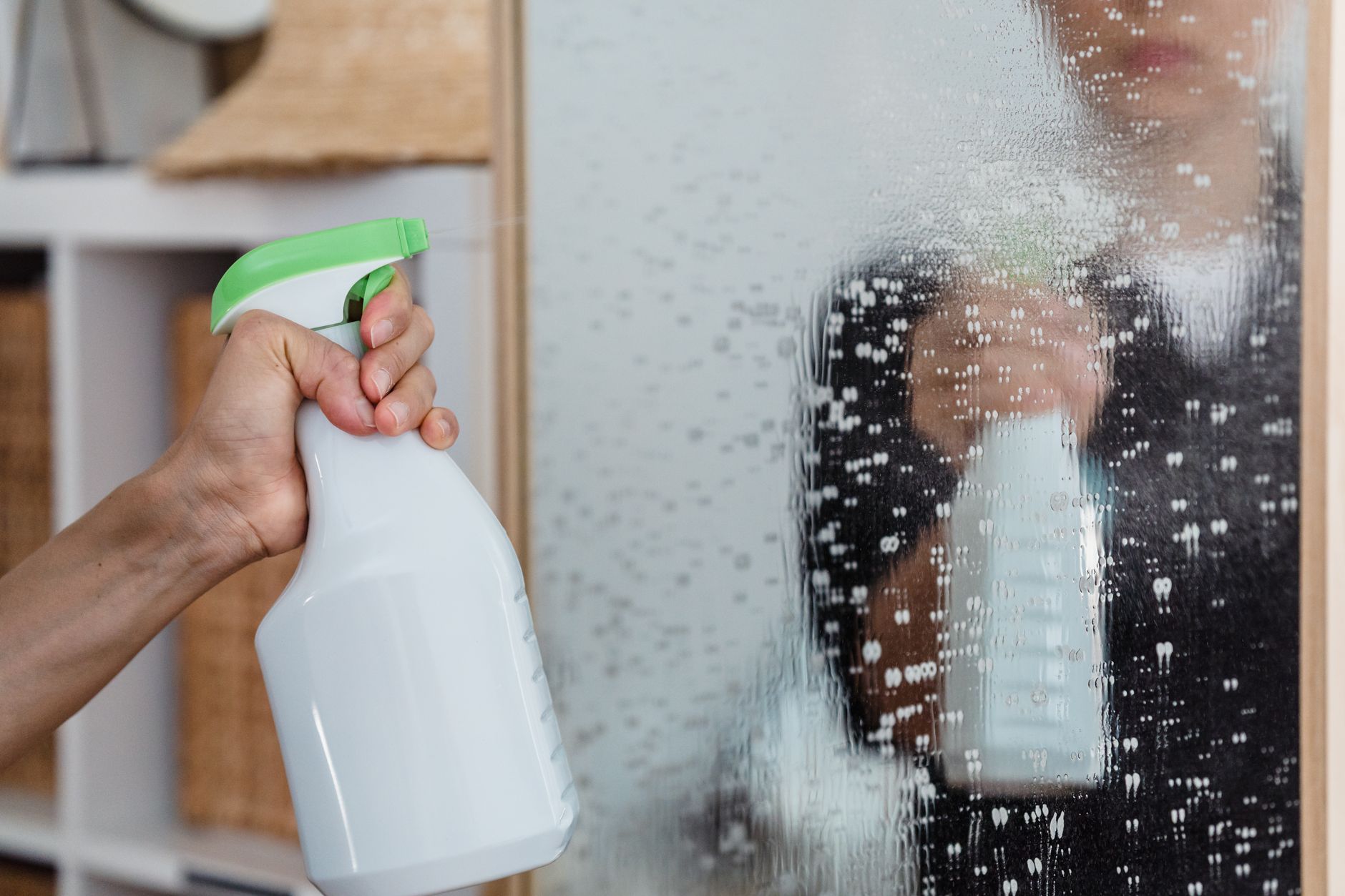
1. Introduction: Why Vinegar Leads the Natural Cleaning Revolution
In a world where chemical cleaners are linked to health risks and environmental damage, vinegar stands out as a versatile, affordable, and biodegradable alternative. Its key component, acetic acid, typically ranges from 4–8 % in culinary and household varieties, providing powerful antibacterial, antifungal, and deodorizing properties. By mastering advanced vinegar strategies, homeowners can tackle everything from stubborn grout to greasy stovetops while keeping their indoor air and planet healthier.
1.1 The Science Behind Vinegar’s Cleaning Power
- Acidity (pH 2–3): Disrupts microbial cell membranes, dissolves mineral deposits, and loosens grime.
- Molecular Flexibility: Acetic acid can penetrate porous surfaces, making it effective on tile, grout, and even wood.
- Synergy with Surfactants: When paired with mild soaps or natural emulsifiers, vinegar’s cleaning action expands, providing a “pH boost” that cuts grease and lifts oils.
2. Advanced Vinegar Types: Choosing the Right Blend for Every Task
Not all vinegars are created equal. Selecting the appropriate variety can transform a routine clean into a precision operation.
| Vinegar Type | Acetic Acid % | Typical Price (USD/gal) | Ideal Uses | Pros | Cons |
|---|---|---|---|---|---|
| White Distilled | 5–8 % | $3–$5 | Multi‑surface, disinfecting, deodorizing | Neutral color, high acidity | Can damage delicate finishes if undiluted |
| Apple Cider | 4–5 % | $5–$8 | Kitchen surfaces, fruit stains, wood polish | Pleasant scent, mild acidity | Slightly lower acidity; may leave residue |
| Red Wine | 5 % | $4–$6 | Glassware, decorative surfaces | Adds subtle color; aromatic | Can stain light surfaces; less disinfectant |
| Kombucha Vinegar | 5 % | $6–$9 | Mold removal, tile, bathroom | Contains probiotic cultures; higher acidity | Stronger odor; more expensive |
| White Wine | 5 % | $4–$6 | Stain removal, decorative surfaces | Neutral scent | Can be more expensive per gallon |
Tip: Always test a small, inconspicuous area before applying a new vinegar type to avoid staining or surface damage.
3. Advanced Strategies for Mastering Vinegar Cleaning
Below are step‑by‑step protocols that go beyond the basic “spray and wipe” approach.
3.1 Grout Revitalization: The “Vinegar + Baking Soda” Method
- Pre‑Treat: Spray undiluted white vinegar over grout lines, letting it sit for 5 minutes to loosen mineral buildup.
- Foam Boost: Sprinkle baking soda over the wet grout; the mixture will fizz, mechanically lifting grime.
- Scrub: Use a stiff‑bristle brush or a recycled toothbrush to work the foam into grout cracks.
- Rinse: Wipe with warm water; repeat if necessary.
- Seal: Apply a grout sealer for long‑term protection.
Result: A sparkling, mold‑free grout line with minimal chemical residue.
3.2 Grease‑Free Kitchen Surfaces: Vinegar + Natural Emulsifier
- Solution: Mix 1 cup white vinegar, 1 cup water, and 1 tablespoon liquid castile soap.
- Application: Spray onto countertops, stovetops, and appliances.
- Action: Let sit for 2 minutes to break down grease; then wipe with microfiber.
- Optional Boost: Add a few drops of peppermint or tea tree oil for antibacterial synergy and a pleasant scent.
3.3 Bathroom Deodorizer: Kombucha Vinegar + Steam
- Steam: Heat kombucha vinegar until it steams (do not boil).
- Ventilation: Spray the steam into shower walls, corners, and baseboards.
- Dry: Wipe with a clean towel; the high acidity kills mold spores and leaves a fresh scent.
- Frequency: Use weekly for optimal mold prevention.
3.4 Glass & Mirrors: Apple Cider Vinegar + Microfiber
- Dilution: Mix ½ cup apple cider