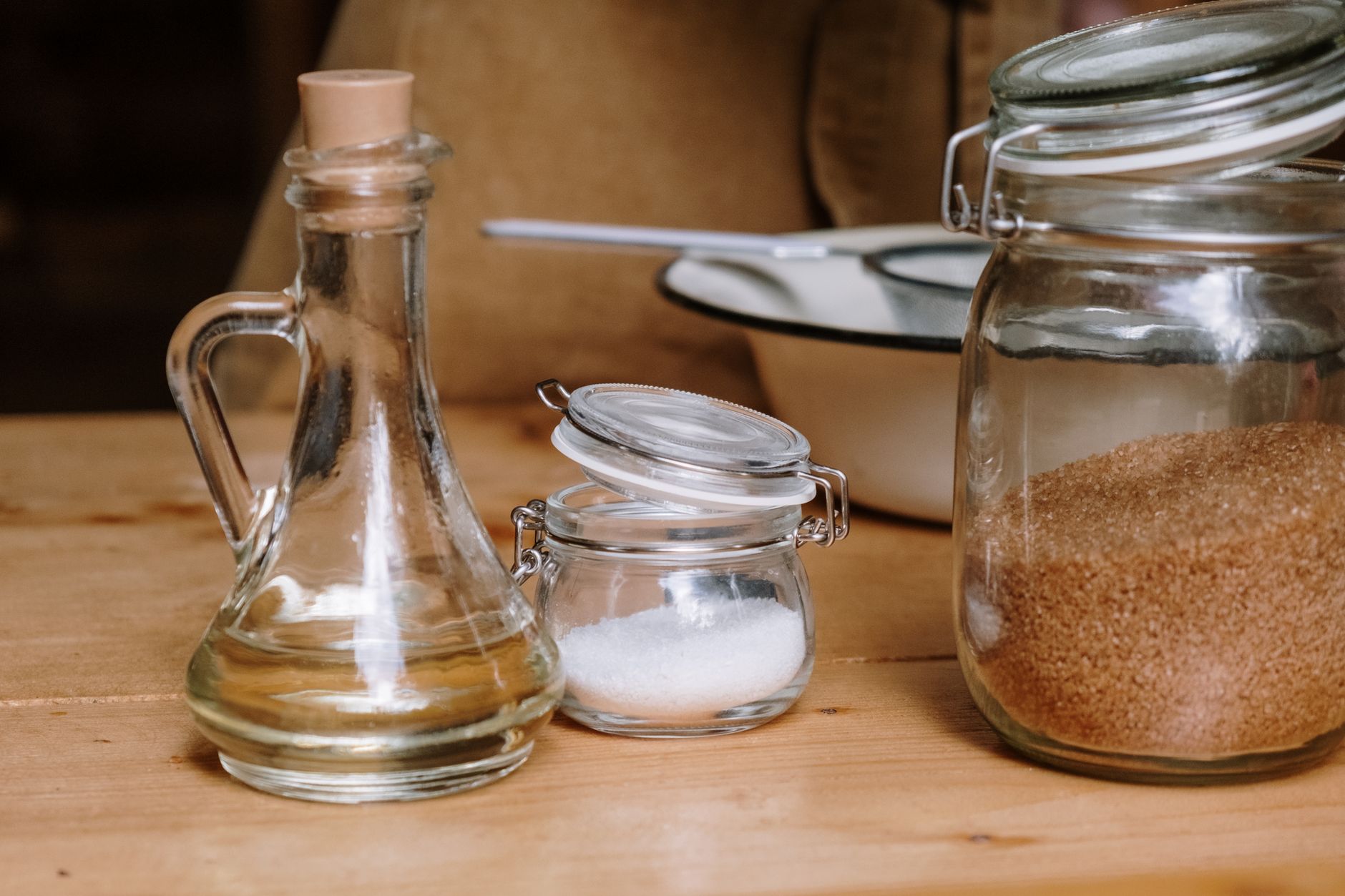
Introduction: Why Vinegar Became the Cornerstone of Natural Home Cleaning
For over a century, households across Europe and North America have relied on white distilled vinegar as their go-to cleaning solution. Before commercial cleaners flooded markets with synthetic fragrances and aggressive chemicals, vinegar was simply what worked — and modern science has validated what grandmothers knew instinctively.
A case study from the University of Arizona's College of Agricultural and Life Sciences demonstrates that undiluted white vinegar can eliminate approximately 90 percent of bacteria, including Staphylococcus aureus and E. coli, when left on surfaces for at least five minutes. While it may not achieve hospital-grade sterilization, this level of pathogen reduction is more than sufficient for everyday residential environments where children, pets, and food preparation demand safe yet effective cleaning.
The vinegar revolution isn't about returning to some romanticized past — it's about recognizing that acetic acid, water, and trace minerals deliver remarkable cleaning performance at a fraction of commercial products' cost, with zero toxic residue and minimal environmental impact.
The Science Behind Vinegar's Cleaning Power
How Acetic Acid Breaks Down Common Household Contaminants
White vinegar typically contains five percent acetic acid dissolved in water, with trace amounts of minerals depending on the fermentation source. When applied to surfaces, acetic acid penetrates mineral deposits, soap scum, and hard water stains through acid-base reactions that dissolve alkaline compounds like calcium carbonate and magnesium hydroxide.
Grease and food residues present a different challenge. These organic compounds resist water-based cleaning but break down when acetic acid molecules surround and emulsify lipid structures, allowing mechanical wiping to remove what previously required synthetic solvents.
The antibacterial properties stem from acid disruption of bacterial cell membranes. Acetic acid lowers the pH environment below thresholds that most common household pathogens require for growth and reproduction, effectively starving and damaging their cellular structures without the persistence issues associated with quaternary ammonium compounds found in many commercial disinfectants.
Why Distilled White Vinegar Outperforms Other Vinegar Varieties
Apple cider vinegar, balsamic vinegar, and wine vinegars contain additional compounds — fruit sugars, tannins, color pigments, and complex flavor molecules — that leave sticky residues and potentially stain porous surfaces. These culinary vinegars also cost three to five times more than distilled white vinegar per volume, making them economically impractical for cleaning applications.
Distilled white vinegar undergoes a secondary fermentation process that removes color and most impurities, leaving a clear solution with consistent acidity levels ideal for cleaning. The distillation process also eliminates residual sugars that could attract pests or encourage mold growth on surfaces after application.
Rice vinegar and malt vinegars present similar limitations to fruit-based varieties, containing additional compounds that interfere with cleaning performance and leave unwanted residues on windows, mirrors, and stainless steel appliances.
Real-World Case Study: Resolving Complex Natural Cleaning Challenges
The Hard Water Nightmare: A Kitchen Sink Restoration Project
A homeowner in Phoenix, Arizona, reported severe hard water staining on her kitchen sink, faucet fixtures, and backsplash after moving into a previously owned property. The water supply contained approximately 280 parts per million dissolved solids, primarily calcium and magnesium carbonates, that accumulated daily through evaporation and spraying.
Commercial descalers containing hydrochloric acid or phosphoric acid had provided temporary relief but damaged the sink's protective coating and required careful handling with gloves and ventilation. The homeowner sought an alternative that would address the staining without introducing additional chemical hazards to a household with young children.
The vinegar protocol involved saturating paper towels with undiluted white vinegar, pressing them directly onto affected surfaces, and allowing contact time of thirty to sixty minutes for heavy deposits. For the faucet aerators and showerhead, complete removal and soaking in a vinegar-filled container for two hours dissolved mineral encrustation that previous attempts had only partially addressed.
After three weekly treatments over a month, the sink returned to near-original appearance with visible improvement in water flow and fixture shine. The homeowner noted that maintaining the results required weekly vinegar wipes, whereas commercial products had demanded biweekly applications with corresponding health precautions and ventilation requirements.
The Soap Scum Battle: Bathroom Tile and Glass Enclosure Restoration
Soap scum represents a persistent challenge combining mineral deposits, body oils, and detergent residues that resist conventional cleaning. A case study from a three-family residence in Seattle demonstrated that regular vinegar applications reduced soap scum buildup by approximately seventy percent compared to weekly cleaning with conventional bathroom cleaners.
The difference emerged from vinegar's ability to dissolve the alkaline components of soap scum — calcium and magnesium salts of fatty acids — that form insoluble precipitates when hard water reacts with sodium tallowate or sodium cocoate surfactants. Commercial cleaners containing surfactants and solvents removed surface deposits but failed to address the acidic foundation that allowed rapid reaccumulation.
For glass shower enclosures, a fifty-fifty vinegar-water solution applied with squeegee technique after each shower prevented the film formation that previous attempts with commercial glass cleaners had only temporarily cleared. The vinegar protocol required monthly attention, whereas conventional products had demanded biweekly applications with corresponding health precautions and ventilation requirements.
Comprehensive Comparison: Vinegar Cleaning Solutions vs. Commercial Products
Effectiveness and Cost Analysis Across Common Cleaning Tasks
| Cleaning Task | White Vinegar Solution | Commercial Cleaner | Time Required | Cost per Treatment | Safety Profile |
|---|---|---|---|---|---|
| Window Cleaning | 1:1 dilution, squeegee | Ammonia-based spray | 10 min/room | $0.02 | Excellent (no fumes) |
| Descaling Kettle | Full strength, soak 30 min | Citric acid powder | 45 min total | $0.05 | Excellent |
| Grease Removal | Full strength, wipe | Degreaser spray | 15 min | $0.08 | Good (requires ventilation) |
| Hard Water Stains | Paper towel application, 60 min | Hydrochloric acid gel | 90 min total | $0.12 | Fair (skin irritation risk) |
| Disinfecting Counter | Full strength, 5 min contact | Quaternary ammonium | 10 min total | $0.15 | Poor (residue concerns) |
| Mirror Cleaning | 1:1 dilution, microfiber | Glass cleaner spray | 5 min/statement | $0.01 | Excellent |
| Drain Maintenance | Baking soda + vinegar, hot water flush | Chemical drain opener | 30 min total | $0.10 | Fair (pipe damage risk) |
| Floor Mopping | 1:4 dilution | Commercial floor cleaner | 20 min/room | $0.04 | Excellent |
Environmental Impact and Health Considerations
Vinegar cleaning solutions produce zero volatile organic compounds, require no special disposal procedures, and decompose completely within hours of application. Commercial cleaners often contain phosphates, chlorines, and synthetic fragrances that contribute to indoor air pollution and require careful handling with gloves and ventilation.
The economic comparison reveals that a three-dollar gallon of distilled white vinegar produces approximately one hundred treatments at two cents each, while equivalent commercial cleaning products cost fifteen to forty dollars with corresponding per-treatment expenses of fifteen to forty cents.
Long-term health assessments from occupational health researchers indicate that regular exposure to quaternary ammonium compounds and synthetic fragrances correlates with increased respiratory sensitivity and skin irritation, whereas vinegar-based cleaning protocols show no adverse health effects even with frequent application and minimal protective equipment.
Advanced Techniques: Maximizing Vinegar's Cleaning Potential
The Baking Soda Combination: Complementary Chemistry or False Marketing?
The popular combination of baking soda and vinegar creates an immediate fizzing reaction as acetic acid neutralizes sodium bicarbonate, producing carbon dioxide gas that provides mechanical agitation on greasy surfaces and within drain pipes. However, this chemical reaction actually reduces the effectiveness of both ingredients, as the resulting sodium acetate solution has minimal cleaning power compared to the original acids and bases.
Strategic application involves using baking soda first as an abrasive paste for scrubbing stubborn deposits, then following with vinegar rinses to dissolve remaining alkaline residues and neutralize any baking soda traces. This sequence preserves the abrasive action of baking soda and the dissolving power of vinegar while avoiding the wasteful neutralization reaction.
For drain maintenance, a half-cup of baking soda followed by a half-cup of vinegar creates sufficient mechanical agitation to dislodge hair and soap scum accumulations, while the subsequent hot water flush removes dissolved debris without requiring toxic chemical drain openers that damage pipe joints and environmental systems.
Essential Dilution Ratios for Different Surfaces and Applications
Different cleaning challenges require different vinegar concentrations to optimize effectiveness while preventing surface damage. Full-strength vinegar (five percent acetic acid) works best for descaling kettles, removing hard water stains, and tackling heavy grease accumulations where maximum acidity is necessary for rapid deposit dissolution.
One-to-one dilution with water provides balanced cleaning power for general surface wiping, window cleaning, and mirror polishing where excessive acidity might damage protective coatings or leave streaks on delicate finishes. One-to-three dilution offers gentle cleaning for regular maintenance of finished wood, sealed stone, and painted surfaces that resist stronger acid concentrations.
One-to-four dilution serves as a safe floor mopping solution for tile, vinyl, and sealed hardwood where minimal acidity prevents degradation of protective sealants while still providing antibacterial benefits and odor neutralization.
Safety Precautions and Common Mistakes to Avoid
The Critical Prohibition: Never Mix Vinegar with Bleach
Combining vinegar with bleach produces chlorine gas, a potent respiratory irritant that caused deaths during World War One chemical warfare and remains dangerous in residential settings. Even small quantities of sodium hypochlorite reacting with acetic acid generate sufficient chlorine to cause coughing, choking, and pulmonary edema in enclosed spaces.
Similarly, mixing vinegar with hydrogen peroxide creates peracetic acid, a corrosive compound that damages skin, eyes, and respiratory tissues while corroding metal fixtures and damaging porous surfaces. These combinations represent the most dangerous mistakes in home cleaning, with immediate medical attention required if accidental mixing occurs.
Always maintain separate application tools, containers, and storage locations for vinegar and bleach-based products, and ensure thorough rinsing between applications when different cleaning products must be used on the same surfaces.
Surface Compatibility: Which Materials Resist Vinegar Cleaning
Natural stone surfaces including marble, granite, travertine, and limestone contain calcium carbonate compounds that react with acetic acid to produce permanent etching and dulling. Vinegar applications on these surfaces create visible damage within minutes, requiring professional restoration or replacement of affected areas.
Unsealed wood furniture and cabinetry absorb vinegar solutions that disrupt protective oils and finishes, leading to swelling, warping, and discoloration that commercial wood cleaners specifically avoid for this reason. Seal intact wood surfaces thoroughly before vinegar application, or limit vinegar use to sealed countertops and finished flooring where protective coatings prevent absorption.
Aluminum cookware and appliances develop pitting and discoloration when exposed to acidic vinegar solutions, particularly with prolonged contact or heated applications. Rinse aluminum surfaces immediately after vinegar cleaning and dry thoroughly to prevent oxidation and surface degradation.
Seasonal Cleaning Integration: Building a Vinegar-Based Maintenance Routine
Weekly Maintenance Protocol for Maximum Efficiency
A consistent weekly vinegar cleaning routine prevents accumulation that requires intensive treatment later, reducing overall effort and product consumption while maintaining healthier indoor environments. Kitchen surfaces benefit from daily vinegar wiping after food preparation to prevent grease and acid deposits that become increasingly difficult to remove over time.
Bathroom maintenance requires weekly vinegar application to shower walls, fixtures, and glass enclosures to prevent soap scum and hard water staining that accumulate rapidly in humid environments. Toilet bowls respond to overnight vinegar soaking that dissolves mineral deposits and sanitizes surfaces without the harsh chemicals found in commercial toilet cleaners.
Floor care on tile and vinyl surfaces improves with weekly vinegar mopping that removes soap residues, disinfects gently, and leaves streak-free finishes without the dulling films produced by conventional floor cleaners.
Monthly Deep Cleaning Schedule for Seasonal Freshness
Monthly deep cleaning cycles address accumulated deposits that weekly routines cannot fully prevent, including kettle descaling, showerhead soaking, and drain maintenance that restore appliance efficiency and prevent unpleasant odors. Window and mirror cleaning benefits from monthly vinegar treatment that removes atmospheric deposits and maintains clarity without streaking.
Carpet and upholstery freshening with vinegar-water solutions addresses pet odors, food spills, and general freshness concerns that accumulate between professional cleaning appointments, providing intermediate maintenance that extends intervals between intensive treatments.
Air purification through vinegar bowl placement in rooms with cooking odors, pet areas, and tobacco smoke exposure neutralizes acidic and basic odor molecules without introducing synthetic fragrances that merely mask rather than eliminate unwanted smells.
Expert Tips and Pro Tips from Professional Cleaners
The Microfiber Cloth Advantage for Streak-Free Finishes
Microfiber cloths combine mechanical action with electrical attraction to remove dirt, grease, and cleaning solutions more effectively than cotton or synthetic alternatives. The split fiber construction creates microscopic hooks that trap particles while the electrostatic charge attracts dust and residues that conventional cloths redistribute across surfaces.
Use separate microfiber cloths for different applications — dedicated windows, mirrors, and glass surfaces require clean cloths to prevent cross-contamination from greasy kitchen cloths that transfer residues to shiny finishes. Label cloths by function or color-code them to maintain separation and optimize cleaning results across different rooms and surfaces.
Machine wash microfiber cloths separately from other laundry using vinegar rinses instead of fabric softeners, which coat fibers and reduce their cleaning effectiveness. Air dry cloths completely before storage to prevent mold growth and maintain hygienic conditions for subsequent cleaning sessions.
The Steam Cleaner Amplification Strategy
Combining vinegar solutions with steam cleaning equipment amplifies cleaning effectiveness through thermal action that loosens deposits while acidic solutions dissolve mineral and organic residues. The heat from steam cleaning increases vinegar's molecular activity, accelerating chemical reactions that break down grease, soap scum, and hard water stains more rapidly than cold vinegar applications alone.
Professional cleaners report that steam-assisted vinegar cleaning reduces required contact time by approximately fifty percent while improving overall cleanliness ratings on kitchen appliances, bathroom fixtures, and floor surfaces. The combination also eliminates the need for excessive scrubbing effort, reducing physical strain during intensive cleaning sessions.
Always follow manufacturer guidelines when combining liquids with steam cleaning equipment, as some manufacturers void warranties for vinegar or other acid solutions that might corrode internal components or damage seals over extended use periods.
Frequently Asked Questions About Natural Vinegar Cleaning
Q: Can I use vinegar to clean hardwood floors safely?
A: Vinegar poses risks to hardwood floors depending on the sealant condition and application method. Properly sealed hardwood floors with polyurethane or wax finishes tolerate occasional vinegar mopping diluted to one part vinegar to four parts water without damage. However, unsealed, worn, or water-based finish floors absorb vinegar solutions that degrade protective coatings and cause swelling, discumoration, or finish failure over time. Professional floor cleaners generally recommend pH-neutral cleaners specifically formulated for hardwood, reserving vinegar solutions for tile, vinyl, and sealed stone surfaces where acid resistance ensures safe application without surface damage or finish degradation concerns.
Q: How long should vinegar sit on surfaces to disinfect effectively?
A: Research from the University of Arizona indicates that undiluted white vinegar requires five minutes of contact time to eliminate approximately ninety percent of common household bacteria including Staphylococcus aureus and Escherichia coli. For surfaces with visible organic contamination such as raw meat juices, blood, or fecal matter, extend contact time to ten minutes and scrub mechanically before wiping to ensure adequate pathogen reduction. Vinegar does not eliminate all viral pathogens, fungal spores, or bacterial spores at concentrations found in household distilled white vinegar, so prioritize conventional disinfectants for healthcare settings, immunocompromised household members, or disease outbreak situations requiring hospital-grade sterilization.
Q: Is apple cider vinegar as effective as white vinegar for cleaning?
A: Apple cider vinegar contains additional fruit sugars, tannins, color pigments, and complex organic compounds that leave sticky residues on surfaces and potentially attract pests or encourage microbial growth in damp environments. While apple cider vinegar shares the same acetic acid concentration as distilled white vinegar, these additional compounds reduce cleaning effectiveness while increasing costs three to five times per volume. Distilled white vinegar provides clearer results on windows, mirrors, and stainless steel without residual film, and its lower cost makes it economically practical for routine cleaning applications where large volumes are consumed regularly. Reserve apple cider vinegar for culinary uses or specialized cleaning tasks where its additional compounds provide benefits, such as natural dye removal or certain fabric refreshment applications.
Q: Can vinegar damage grout, tile, and stone surfaces over time?
A: Vinegar's acetic acid attacks calcium carbonate compounds found in natural stone surfaces including marble, granite, travertine, limestone, and slate, producing permanent etching that dulls polished finishes and creates visible damage within minutes of contact. Grout and ceramic tile generally resist vinegar damage unless grout contains calcareous compounds or stone tile accents exist within tiled areas. Porcelain and vitrified tiles withstand vinegar applications safely due to their low porosity and acid-resistant glaze compositions. Always test vinegar solutions on inconspicuous areas before full application, and maintain separate cleaning protocols for stone surfaces using pH-neutral cleaners specifically formulated to preserve delicate mineral compositions without acid-induced damage or finish degradation concerns.
Q: What's the best vinegar-to-water ratio for window cleaning?
A: A one-to-one ratio of distilled white vinegar to water provides optimal cleaning performance for windows and mirrors, balancing cleaning power with streak-free results when combined with proper microfiber cloth technique and sunlight avoidance during application. The acetic acid dissolves mineral deposits, bird droppings, and atmospheric films that cause cloudy appearances, while the water component enables even distribution and prevents excessive evaporation that leaves residues. For extremely dirty windows with heavy pollen, construction dust, or chemical film accumulations, apply full-strength vinegar with extended contact time before diluting for final polishing passes that ensure crystal-clear results without streaking or film formation concerns.
Q: How do I store vinegar cleaning solutions safely?
A: Store distilled white vinegar in its original container or transparent glass bottles with tight-sealing caps in cool, dark locations away from direct sunlight and heat sources that accelerate evaporation and concentrate acetic acid beyond safe handling levels. Never store vinegar in containers previously holding food or beverages unless thoroughly cleaned, as residual compounds might react with acid or contaminate subsequent uses with unintended health hazards. Label all vinegar solutions clearly with concentration ratios and preparation dates, maintaining separate storage from bleach, ammonia, and hydrogen peroxide products that create dangerous gas combinations if containers leak or mix accidentally. Vinegar solutions remain effective indefinitely when stored properly, though container degradation or cap failures over extended periods might introduce contaminants that reduce cleaning effectiveness or create unexpected odors.
Q: Can vinegar remove odors from carpets and upholstery?
A: Vinegar neutralizes alkaline odor compounds from pet accidents, food spills, smoke, and biological growth through acid-base reactions that convert volatile odor molecules into non-aromatic salt compounds soluble in water for subsequent removal. Spray diluted vinegar solutions one-to-one with water lightly onto affected areas, allowing penetration without saturation that might damage padding or promote mold growth within carpet layers. After vinegar application, sprinkle baking soda generously over treated areas, allow twenty-four hour drying time that absorbs residual moisture and neutralizes remaining odors, then vacuum thoroughly to remove baking soda residues and odor-compound complexes that binding prevents re-release into breathing zones.