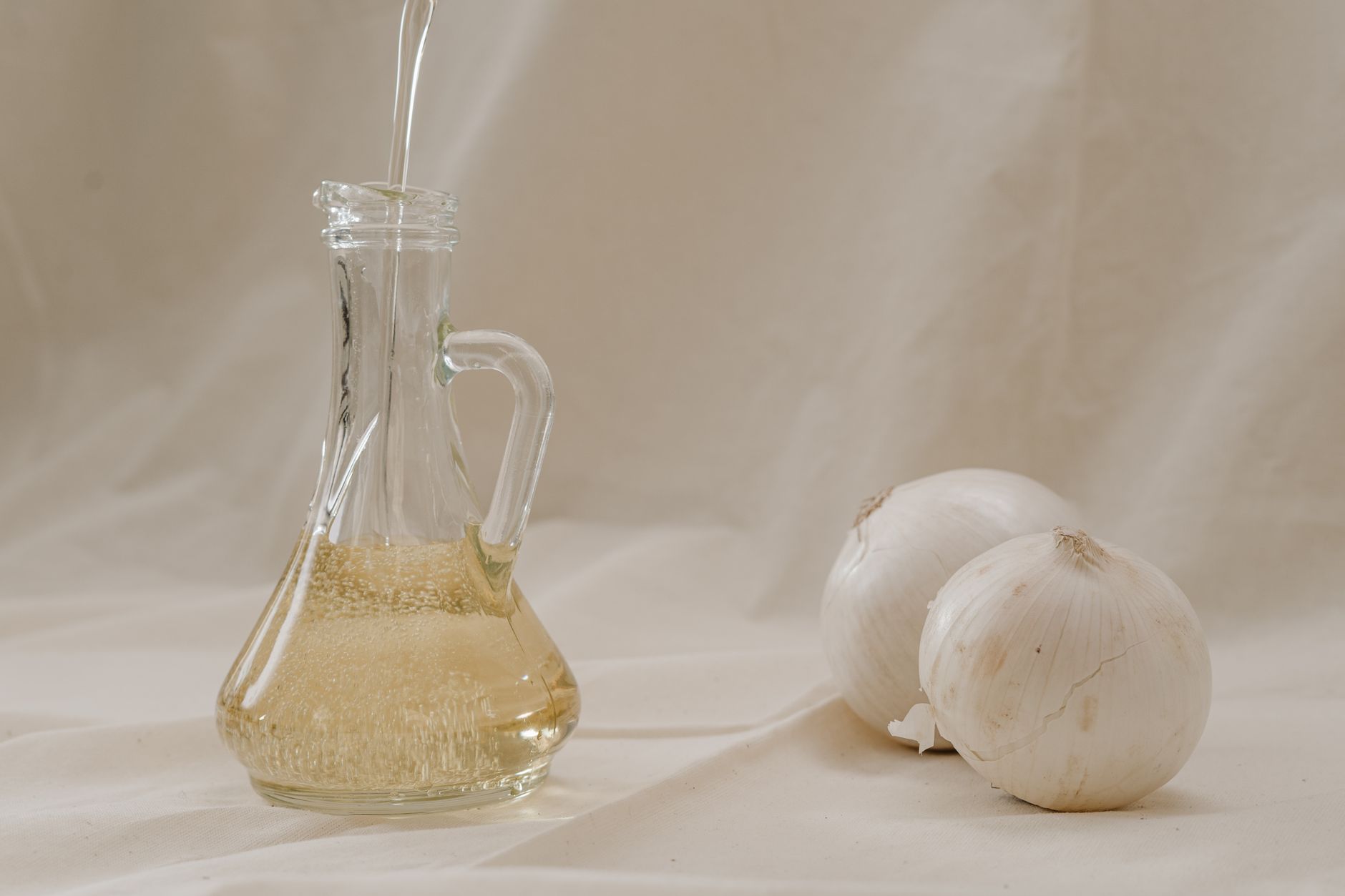
The Resurgence of Natural Cleaning: Why Vinegar is the Forefront
In an era where households are increasingly prioritizing health, sustainability, and simplicity, natural cleaning remedies are experiencing a powerful renaissance. Among these time-tested solutions, vinegar stands out as a true powerhouse. The phrase "Natürliche Hausmittel zur Reinigung: Essig future trends" captures a pivotal shift in consumer consciousness—from synthetic chemicals to plant-based, biodegradable alternatives. Vinegar, a liquid composed of acetic acid and water, has been used for centuries for preservation, cooking, and medicinal purposes. Today, it is reclaiming its place as a cornerstone of modern eco-friendly cleaning.
This article delves deep into the fundamentals of vinegar as a cleaning agent, examines the latest industry trends shaping its future, and provides actionable guidance for incorporating it into your home care routine. We will compare vinegar against conventional cleaners, explore practical recipes, and discuss the emerging innovations that promise to make vinegar an even more integral part of sustainable living.
Fundamentals & Core Concepts: The Science of Vinegar's Cleaning Power
To fully appreciate vinegar's role in natural cleaning, it is essential to understand the basic chemistry that makes it so effective. Vinegar is produced through the fermentation of ethanol by acetic acid bacteria, resulting in a solution typically containing 4–8% acetic acid by volume. This acidity is the key to its cleaning prowess.
- Acetic Acid as a Solvent: Acetic acid breaks down mineral deposits like lime scale and rust, which are common in bathrooms and kitchens. It dissolves the calcium carbonate found in hard water, restoring shine to faucets, showerheads, and kettles.
- Degreasing Properties: The acid cuts through grease and oils by emulsifying them, making it easier to wipe away sticky residues from stovetops, ovens, and range hoods without the need for abrasive scrubbing.
- Antimicrobial Action: Studies have shown that vinegar can kill various bacteria, including E. coli and Salmonella, though it is less potent than bleach. Its antimicrobial effect is sufficient for daily disinfection of high-touch surfaces like doorknobs and countertops.
- Deodorizing Ability: Vinegar neutralizes odors rather than masking them. It works by binding to odor-causing molecules, making it ideal for eliminating smells from microwaves, cutting boards, and pet accidents.
Different types of vinegar offer varying strengths and scents. White distilled vinegar is the most common for cleaning due to its neutral smell and high acidity. Apple cider vinegar, with its fruitier scent, is often preferred for laundry or fabric freshening. Balsamic and red wine vinegar are typically reserved for culinary use but can be employed in specialized cleaning tasks where their color and flavor profile are beneficial.
Latest Industry Trends and Future Outlook: The Market is Booming
The natural cleaning products market is projected to grow at a compound annual growth rate (CAGR) of over 10% from 2023 to 2030, with vinegar-based formulations representing a significant segment. Several key trends are driving this expansion:
- Consumer Demand for Transparency: Shoppers are increasingly reading labels and avoiding synthetic fragrances, phthalates, and triclosan. Vinegar's simplicity—often just "vinegar" on the ingredient list—aligns perfectly with this demand for purity.
- Eco-Friendly Packaging: Brands are moving away from single-use plastic bottles. Vinegar is now frequently sold in concentrated tablets, refill pouches, and bulk stations, reducing plastic waste by up to 80%.
- Smart Home Integration: The future of cleaning lies in automation. Vinegar-based solutions are being engineered for compatibility with robotic vacuums and mops, where pre-mixed cartridges prevent clogging and ensure optimal pH levels for floor care.
- Commercial and Institutional Adoption: Schools, hospitals, and offices are switching to green cleaning protocols. Vinegar's cost-effectiveness and safety profile make it a preferred choice for large-scale disinfection without the risks associated with harsh chemicals.
- Hybrid Formulations: Innovations are emerging that combine vinegar with other natural agents like citrus oils, hydrogen peroxide (for enhanced disinfection), and enzymes for targeted stain removal, creating multi-functional products.
Looking ahead, experts predict that vinegar will become a staple in subscription-based cleaning kits, where users receive refills in compostable packaging. The rise of "clean beauty" is also spilling over into home care, with vinegar being marketed for its skin-safe and respiratory-friendly properties.
Practical Applications: Harnessing Vinegar in Everyday Cleaning
The true value of vinegar lies in its versatility. Below are actionable steps for using vinegar across different areas of the home.
Kitchen Cleaning
- Countertops and Sinks: Mix equal parts white vinegar and water in a spray bottle. Spray surfaces, let sit for 5 minutes, then wipe with a microfiber cloth. For stubborn stains, sprinkle baking soda before spraying to create a gentle abrasive paste.
- Microwave Deodorizing: Combine 1 cup of vinegar with 1 cup of water in a microwave-safe bowl. Heat on high for 5 minutes until steaming. The steam loosens grime and neutralizes odors; simply wipe clean afterward.
- Dishwasher Maintenance: Pour 1 cup of vinegar into the dishwasher during an empty cycle to remove buildup and freshen the machine.
Bathroom Cleaning
- Shower and Tub: Spray undiluted vinegar onto soap scum and mildew, allowing it to penetrate for 10–15 minutes before scrubbing with a non-scratch sponge. Rinse thoroughly.
- Toilet Bowl: Pour 2 cups of vinegar into the bowl and let it sit overnight. The acidity dissolves stains and kills bacteria without the harsh fumes of bleach.
- Mirror and Glass: Use a 50/50 vinegar and water solution for a streak-free shine. Wipe with a lint-free cloth for best results.
Laundry and Fabric Care
- Fabric Softener Substitute: Add 1/2 cup of vinegar to the rinse cycle to soften fabrics naturally and reduce static cling.
- Stain Pre-Treatment: Apply undiluted vinegar directly to oil-based stains before washing to break down the residue.
Outdoor and General Use
- Window Cleaning: Combine 1 gallon of water with 1 cup of vinegar and 1 tablespoon of cornstarch (to prevent streaks) for a professional-grade window wash.
- Weed Control: Horticultural vinegar (20–30% acetic acid) can be used as a natural herbicide, but it requires caution—wear protective gear and avoid spraying near desirable plants.
Comparison Table: Vinegar vs. Commercial Cleaners
| Aspect | Vinegar-Based Cleaners | Commercial Chemical Cleaners |
|---|---|---|
| Effectiveness | High against grease, minerals, and mild bacteria; less potent on heavy mold | Superior on tough stains and disinfection; often contain bleach or quaternary ammonium |
| Cost per Use | $0.05–$0.10 per spray bottle (DIY) | $0.50–$2.00 per spray bottle |
| Environmental Impact | Biodegradable, non-toxic, and often made from renewable resources | May contain persistent organic pollutants (POPs) and require special disposal |
| Safety for Surfaces | Safe for most surfaces except natural stone (marble, granite) | Can damage finishes, emit VOCs, and pose risks to children and pets |
| User Experience | Mild, food-safe scent; no respiratory irritation | Often heavily fragranced; can cause headaches or asthma triggers |
| Shelf Life | Indefinite if stored in a cool, dark place | Typically 2–3 years, but may degrade if exposed to temperature fluctuations |
This comparison highlights vinegar's economic and ecological advantages, though it is not a one-size-fits-all solution. For heavy-duty disinfection, a combination approach—using vinegar for daily maintenance and targeted chemical treatments for severe cases—often yields the best results.
How to Create Your Own Vinegar-Based Cleaning Solutions
Making your own cleaners is straightforward and allows for customization. Below are three foundational recipes:
- All-Purpose Cleaner: In a 32-oz spray bottle, combine 2 cups of white vinegar, 1 cup of water, and 10–15 drops of essential oil (e.g., lemon or tea tree) for fragrance and added antimicrobial properties. Shake well before each use.
- Glass and Mirror Cleaner: Mix 1 cup of vinegar, 1 cup of rubbing alcohol, and 1 gallon of warm water. The alcohol helps prevent streaks and speeds up evaporation.
- Disinfectant Spray: Blend 1 part vinegar with 1 part hydrogen peroxide in a dark spray bottle (light degrades peroxide). Spray on surfaces, let sit for 5 minutes, then wipe. Note: never mix vinegar and bleach, as this creates toxic chlorine gas.
For storage, use dark or opaque bottles to protect light-sensitive ingredients. Label each solution clearly with the date of creation.
Precautions and Best Practices
While vinegar is generally safe, certain precautions ensure its effective and safe use:
- Avoid Natural Stone: Vinegar's acidity can etch marble, limestone, and granite. Use pH-neutral stone cleaners for these surfaces.
- Test First: Always test vinegar on a small, inconspicuous area to check for damage, especially on wood, grout, and waxed finishes.
- Ventilate: Although vinegar's smell is mild, it can be strong in concentrated form. Open windows or use exhaust fans during application.
- Proper Dilution: For delicate surfaces like hardwood floors, dilute vinegar to a 1:10 ratio with water to prevent damage.
Conclusion: Embracing the Future of Natural Cleaning
The trajectory of "Natürliche Hausmittel zur Reinigung: Essig future trends" points toward a cleaner, greener tomorrow where household chores no longer compromise health or the planet. Vinegar's adaptability—from ancient fermentation techniques to cutting-edge smart home integration—underscores its enduring relevance. By embracing vinegar-based cleaning, consumers can reduce their environmental footprint, save money, and create a safer living environment. As innovations continue to unfold, vinegar is poised to remain a cornerstone of natural home care, proving that the simplest solutions often yield the most profound impact.